Introduction
When it comes to culinary heritage, few countries can match the richness and diversity of Iran. Among its treasures, traditional Persian sweets stand out as symbols of culture, hospitality, and craftsmanship. For centuries, these confections have been served during celebrations, family gatherings, and religious ceremonies. Today, global consumers are increasingly drawn to Persian confectionery, captivated by its authentic flavors, natural ingredients, and deep cultural roots.
At Homai, we are proud to bring these timeless sweets — from Gaz and Sohan to Halva and Nokhodchi — to international markets, making Persian desserts accessible to a global audience.
The Cultural Significance of Persian Sweets
In Persian culture, sweets are more than just desserts; they represent hospitality, celebration, and connection. No family gathering, wedding, or holiday is complete without a beautifully arranged tray of Iranian confectionery.
Whether it is the chewy sweetness of Gaz from Isfahan, the crisp crunch of Sohan from Qom, or the comforting aroma of Halva, each treat carries with it centuries of tradition. Serving Persian sweets is not only a culinary experience but also a cultural gesture of respect and generosity.
Popular Traditional Persian Sweets
Gaz – The Delicacy of Isfahan
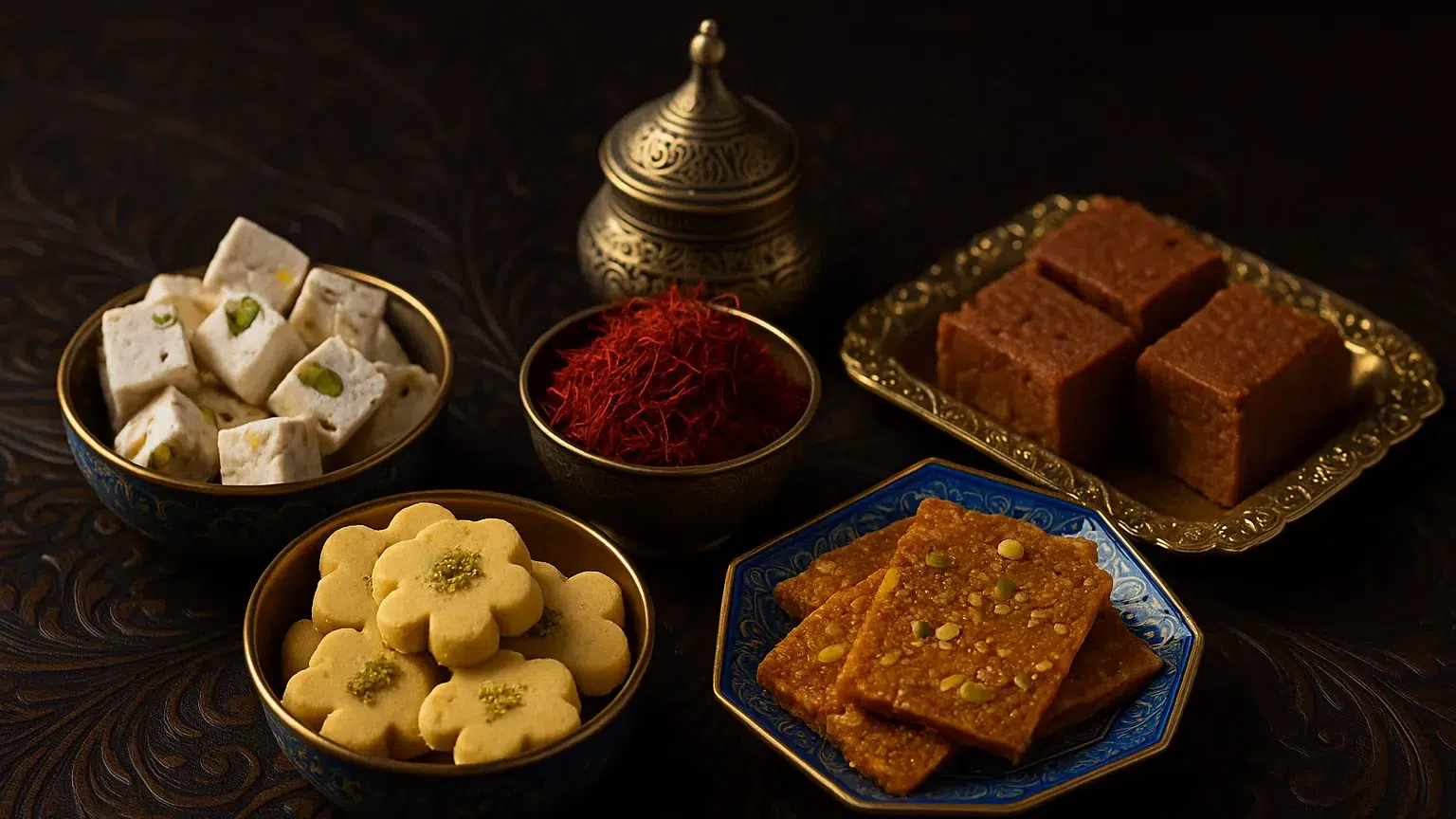
Gaz is one of the most famous traditional Persian sweets, originating from Isfahan. Made with pistachios, almonds, and natural herbs, it is a chewy nougat that has been enjoyed for over 450 years. Its unique texture and subtle sweetness make it a favorite for both locals and tourists.
Sohan – The Crispy Delight of Qom
Sohan, a brittle saffron toffee from Qom, is another iconic sweet. Made with flour, butter, saffron, and cardamom, Sohan has a distinct golden color and irresistible flavor. As saffron is a core ingredient, it perfectly reflects Iran’s identity as the world’s leading saffron producer.
Halva and Halva Shekari – A Symbol of Tradition
Halva is one of the most widely recognized Middle Eastern desserts, but Persian Halva holds a special place. Prepared with flour, sugar, saffron, and rosewater, it is often served during religious ceremonies and family events. Halva Shekari (sesame halva) is another variation rich in nutrition and tradition.
Nokhodchi and Jacolet – Unique Persian Confections
Nokhodchi, small chickpea cookies flavored with cardamom, are a Persian New Year favorite. Jacolet, on the other hand, blends traditional Persian flavors with modern confectionery methods, offering a sweet experience that appeals to international consumers.
Why Global Consumers Love Persian Confectionery
Persian sweets are increasingly gaining attention worldwide, and for good reason:
-
Natural Ingredients: Most Persian sweets are made from nuts, saffron, rosewater, and other wholesome ingredients.
-
Unique Flavors: They offer a balance of sweetness and aroma not commonly found in Western desserts.
-
Cultural Appeal: Consumers value products that carry a story and a heritage, making Persian desserts stand out in global markets.
-
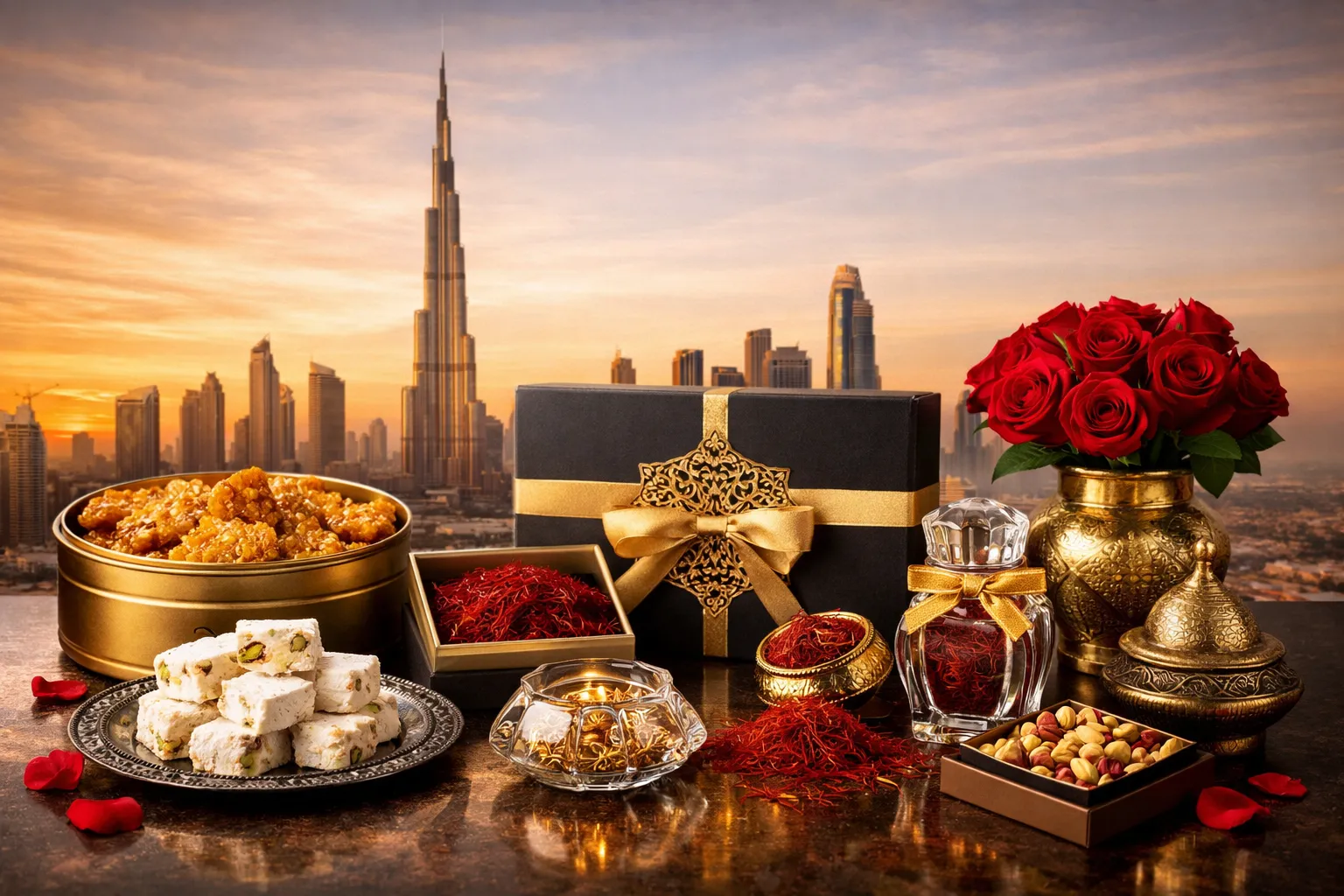
Luxury Gifting: Packaged in elegant boxes, Persian sweets are ideal for cultural gifting and corporate presents.
This combination of authenticity and elegance makes Persian confectionery a strong competitor in the global dessert industry.
At Homai, we recognize the global potential of traditional Persian sweets. Our mission is to deliver the finest Iranian confectionery to wholesalers, retailers, and distributors around the world.
-
Premium Quality: Each product is sourced from trusted producers in Iran’s cultural hubs.
-
Export-Ready Packaging: From luxury gift boxes to bulk orders, our sweets are tailored for international markets.
-
Wholesale Expertise: We supply large-scale orders while ensuring freshness and consistency.
-
Brand Partnerships: Homai supports businesses in introducing Persian sweets as part of their product portfolio.
Whether it is Gaz, Sohan, Halva, or Nokhodchi, Homai guarantees authentic flavors and professional service.
The Growing Export Market for Persian Sweets
The global demand for authentic, culturally rich products is rising. Consumers are no longer satisfied with generic options; they seek experiences tied to heritage and authenticity. Persian sweets fit perfectly into this trend.
From Middle Eastern grocery stores in Europe to gourmet markets in North America and Asia, the appetite for Iranian confectionery continues to expand. For wholesalers, this represents not just a product, but a story that resonates with international buyers.
Conclusion
Traditional Persian sweets are more than desserts; they are cultural treasures that connect people across generations and geographies. Their unique flavors, natural ingredients, and rich heritage make them highly appealing to global consumers.
By partnering with Homai, businesses gain access to premium Persian confectionery, professional export services, and the opportunity to share a taste of Persian heritage with the world.
Homai is where Iranian tradition meets global demand — delivering sweets that are authentic, luxurious, and unforgettable.





Comments Users