




Category
Wooden box
- 14 Available Products
- 14 Products
Sort
By
Showing all 14 resultsSorted by latest
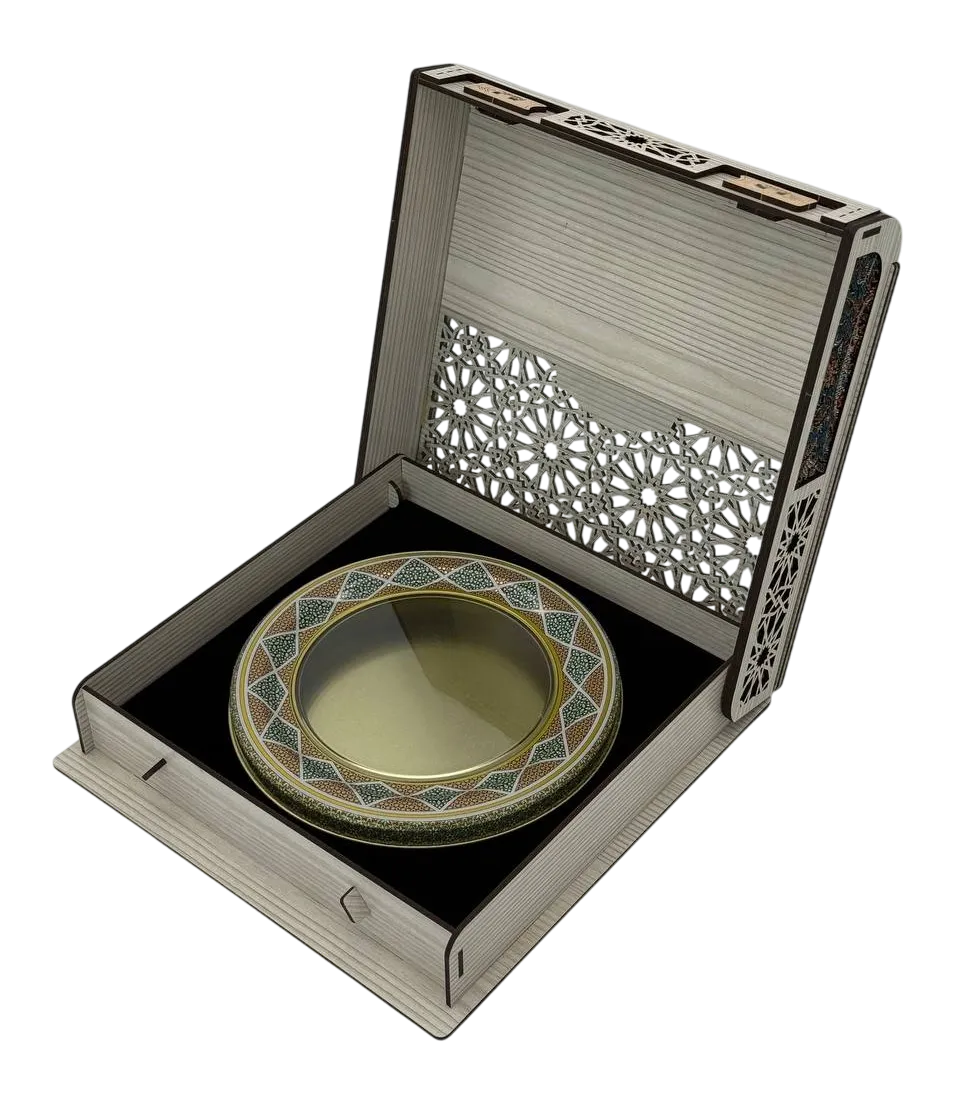
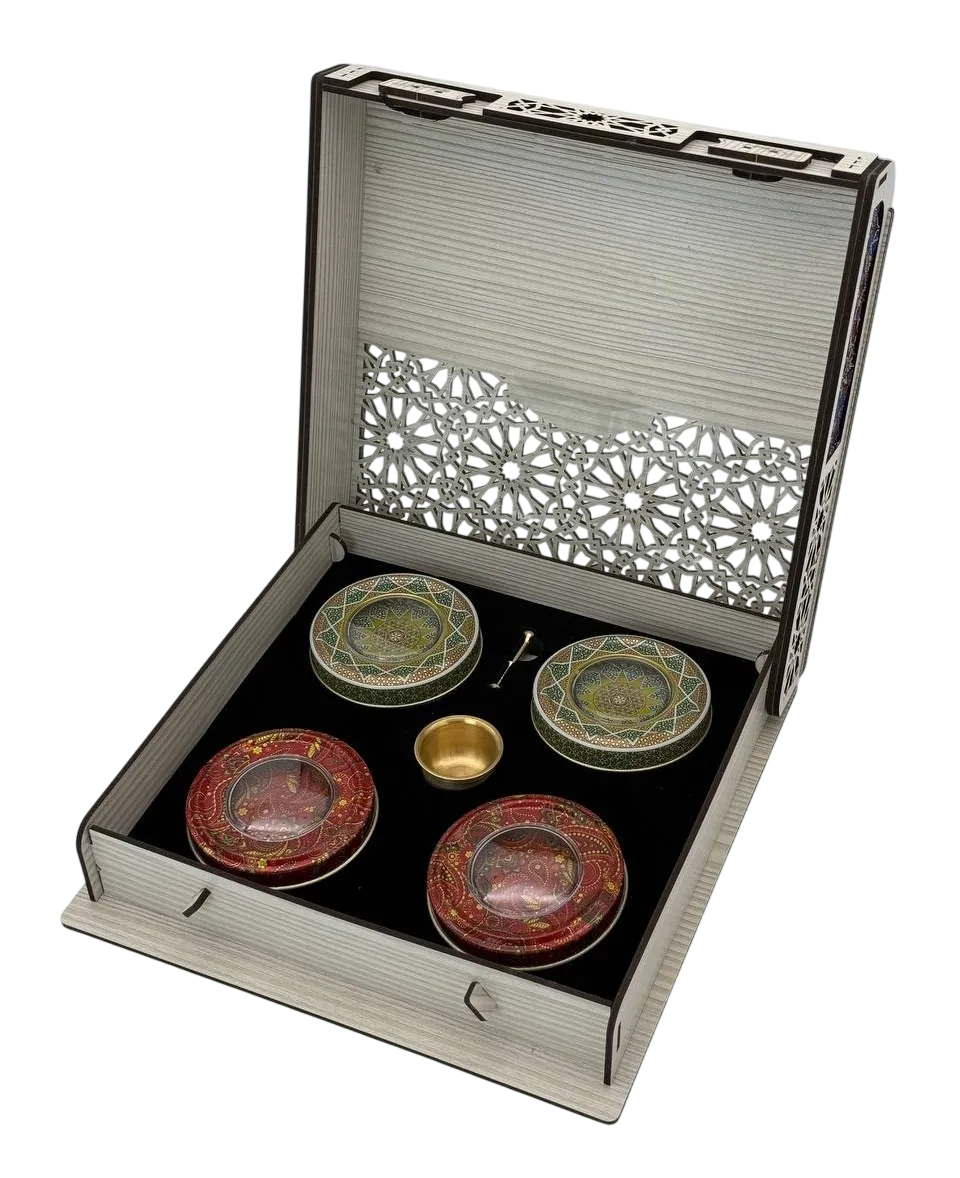
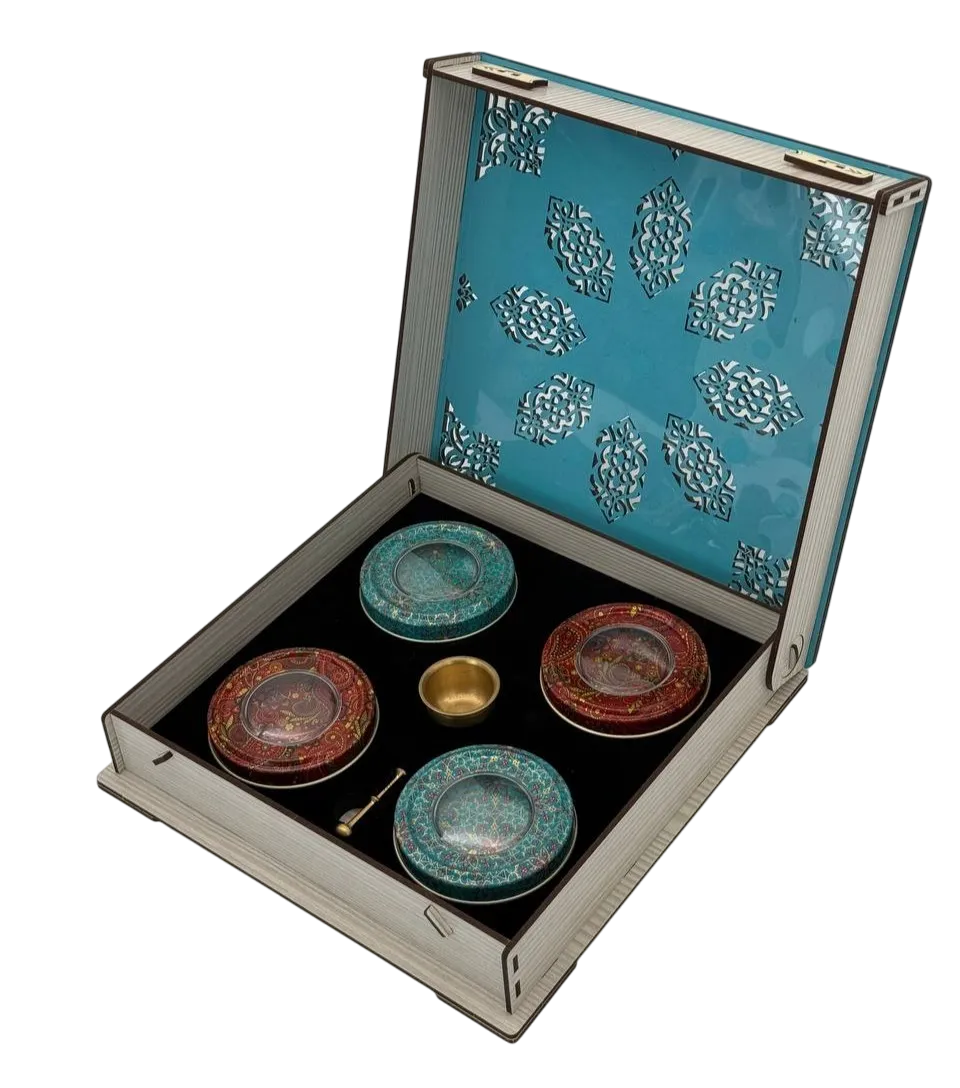
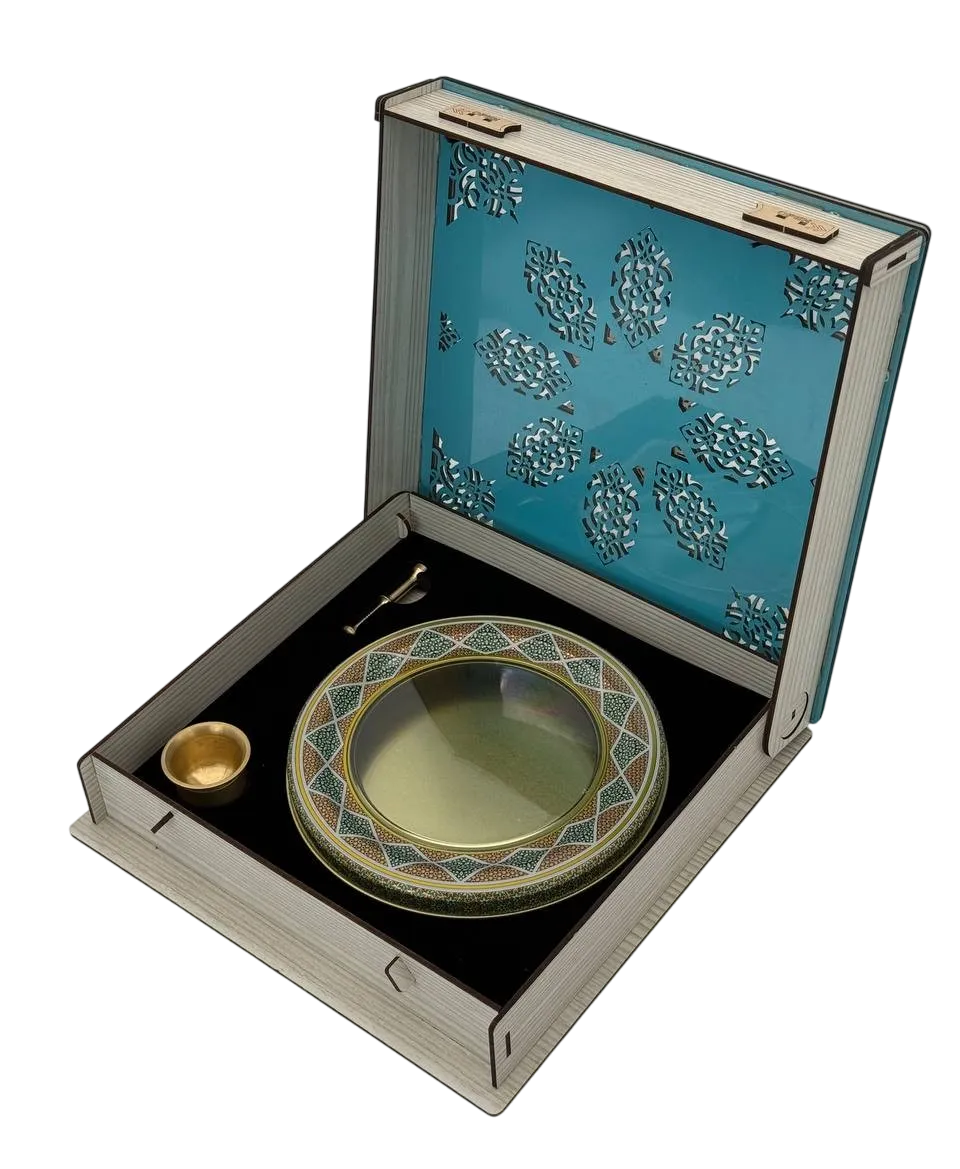
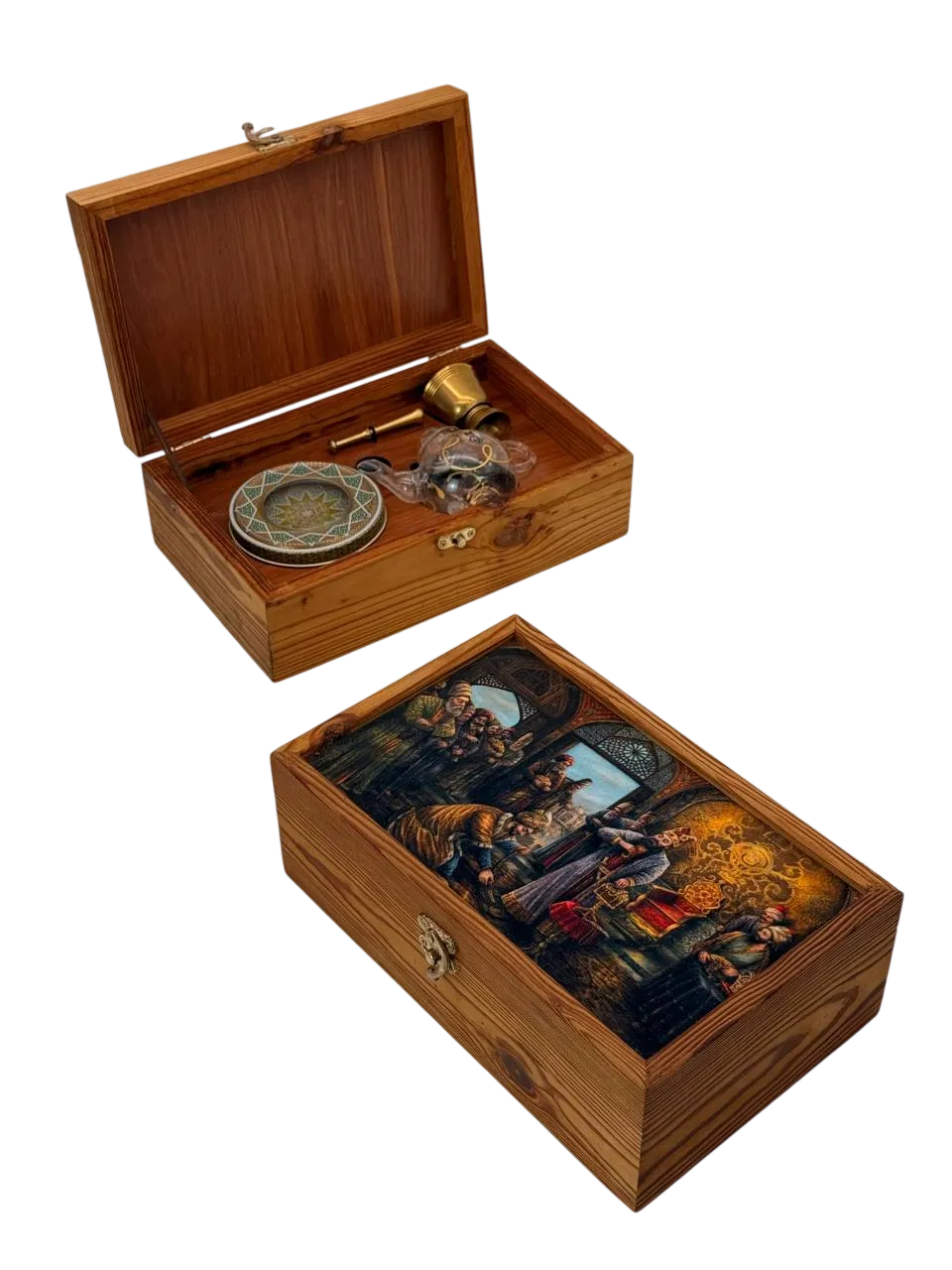
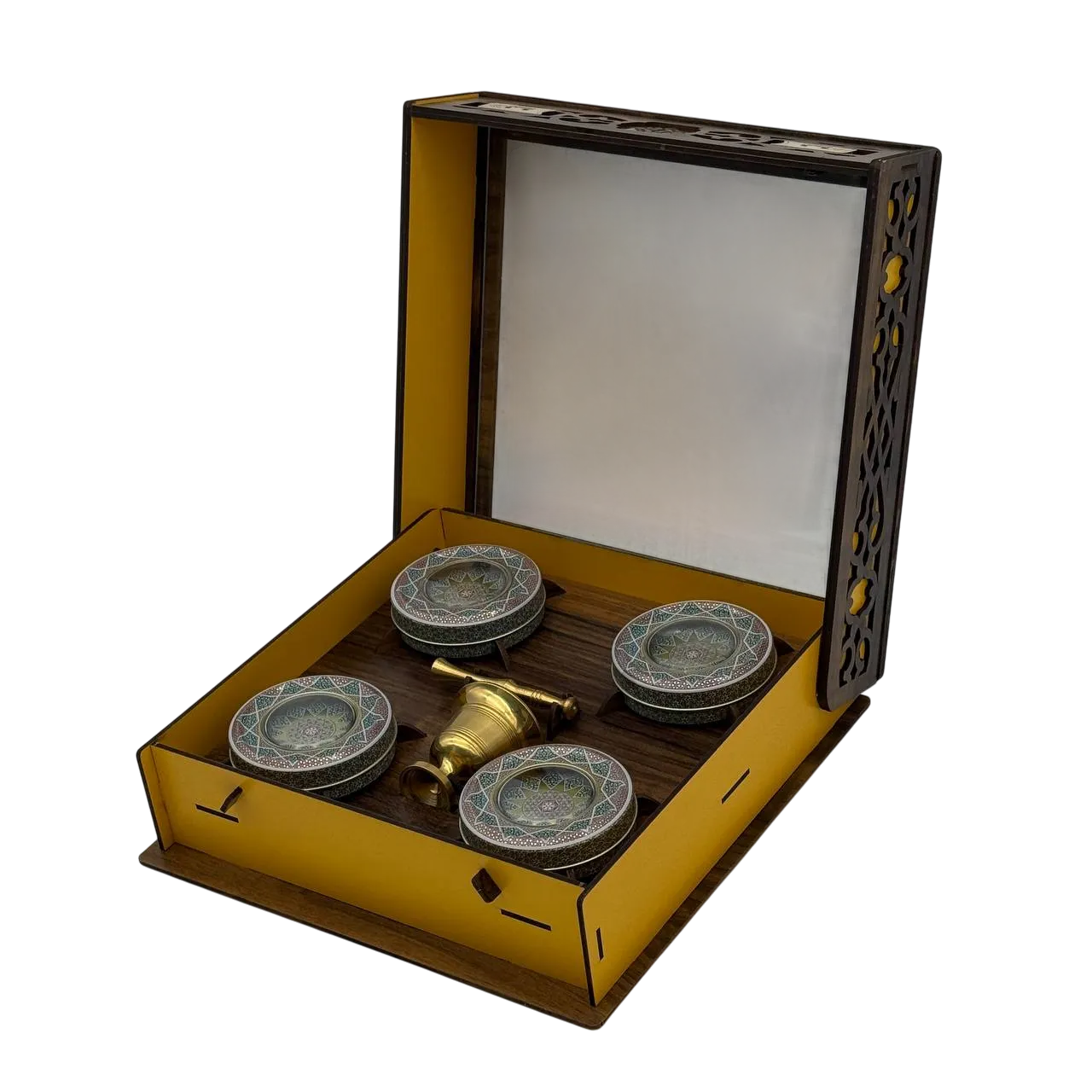
wooden Saffron Box
A wooden saffron box is one of the most versatile and trusted packaging choices for saffron. It combines durability, structure, and visual warmth, making it suitable for gifting, export, and long‑term storage.
Unlike fabric‑focused or decorative boxes, wooden saffron boxes emphasize strength and craftsmanship. They are designed to protect valuable saffron while presenting it in a way that feels authentic, premium, and reliable. This balance makes wooden boxes a core packaging option across both retail and wholesale markets.
Wooden saffron boxes can be simple or refined, minimal or detailed, but their role remains the same: to offer a stable, presentable, and high‑value housing for saffron products.
What Is a Wooden Saffron Box?
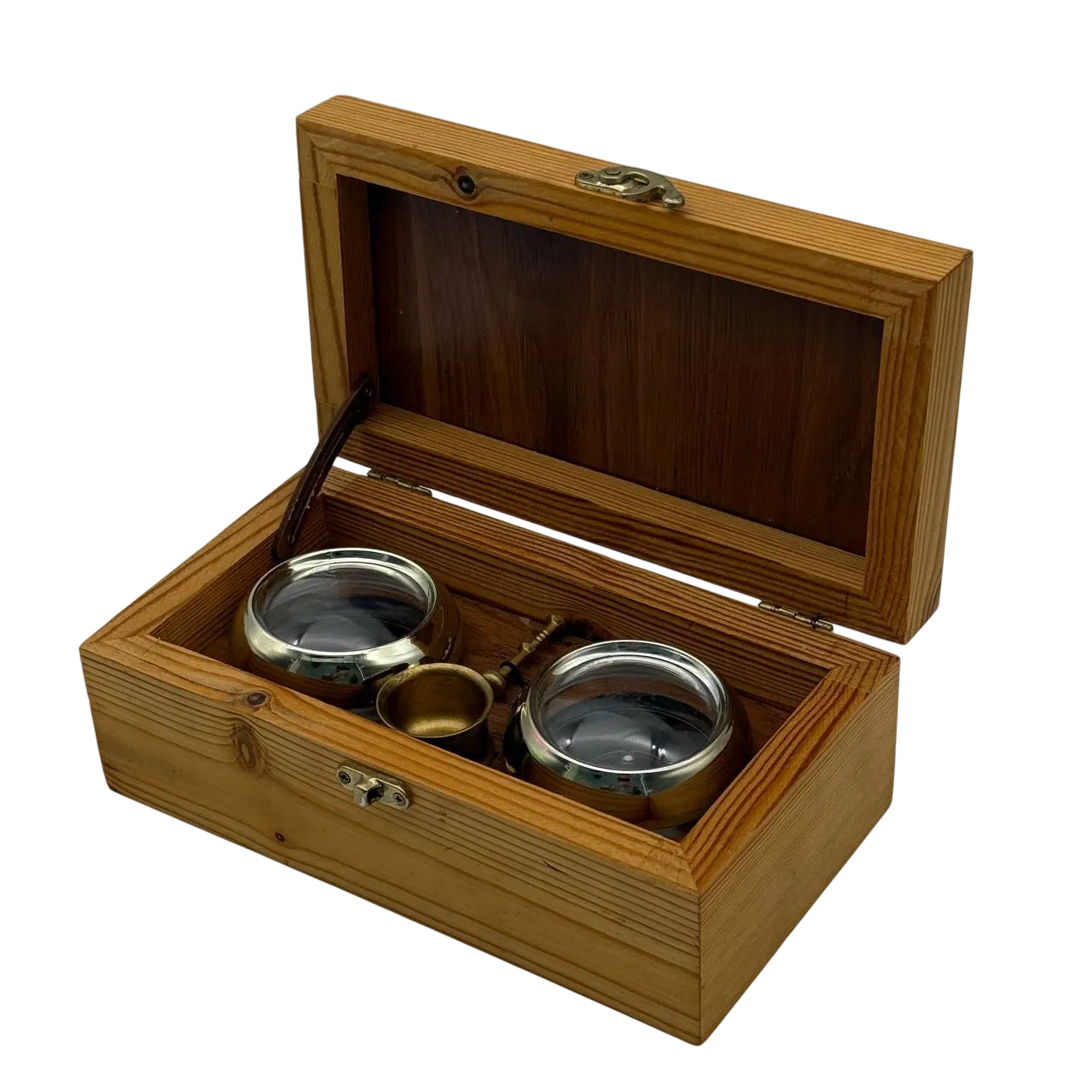
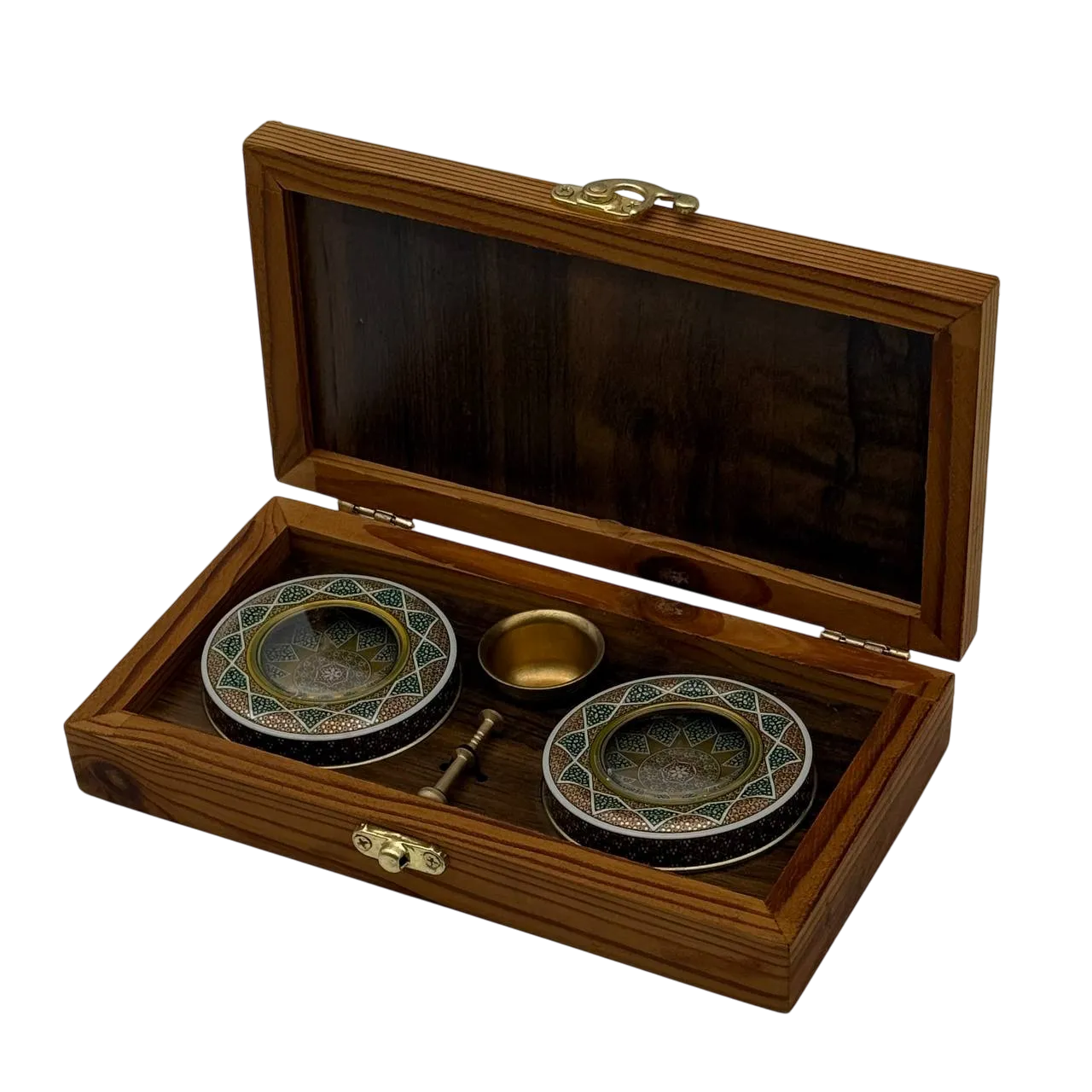
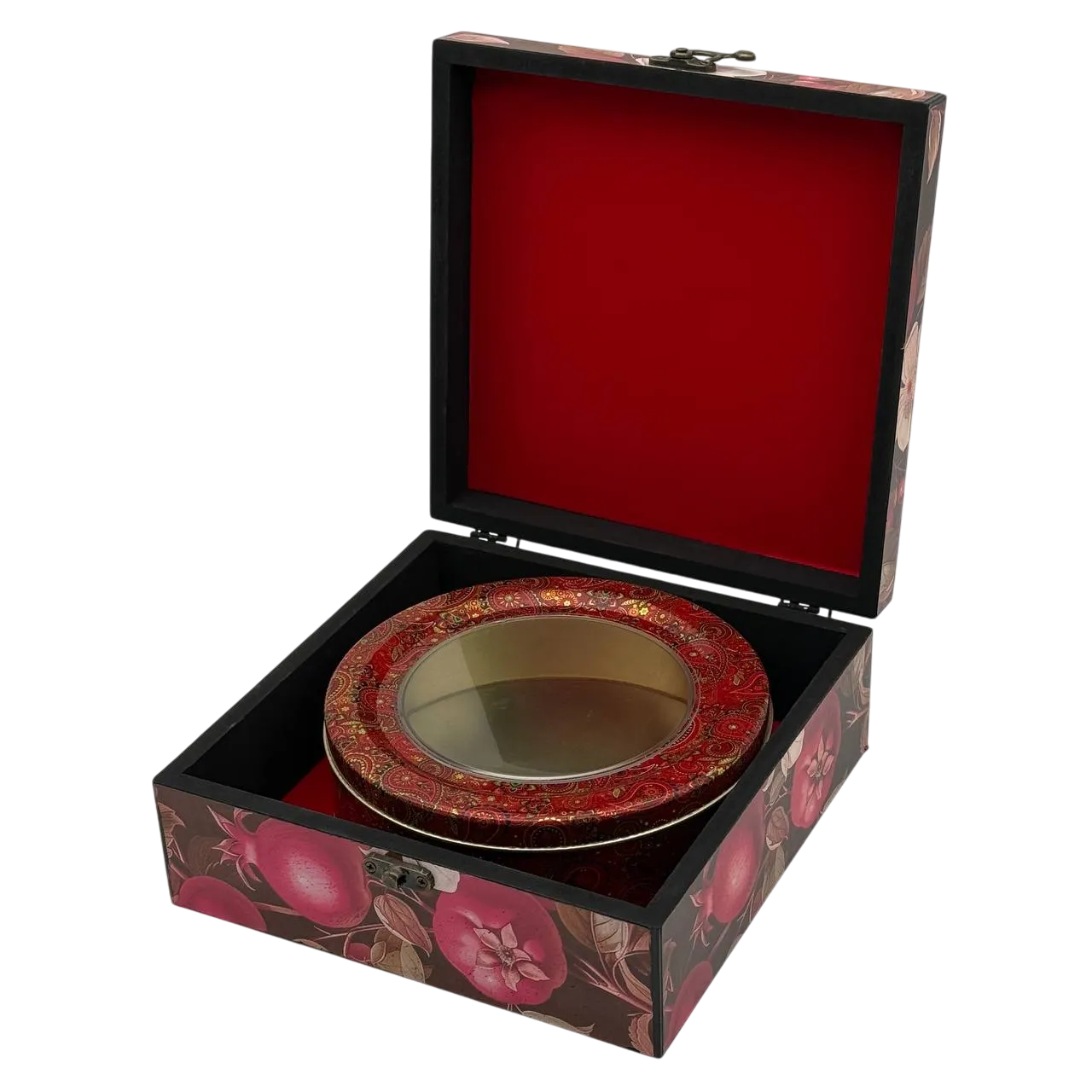
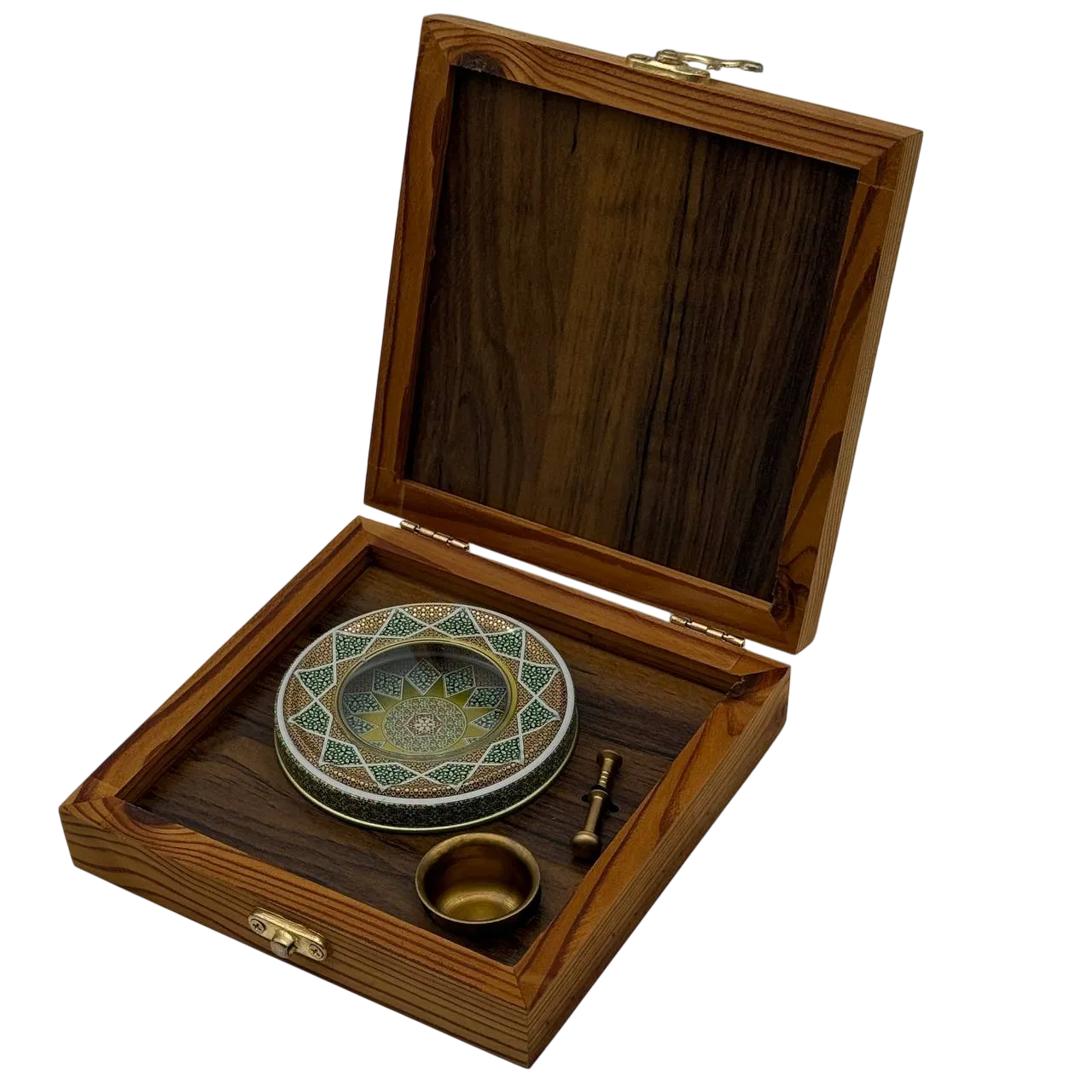
A wooden saffron box is a rigid packaging solution made primarily from wood or wood‑based materials, designed specifically to hold saffron containers, accessories, or complete gift sets.
Its structure allows for precise internal layouts, including fixed compartments, removable partitions, and protective inlays. These features help keep saffron jars, metal containers, or accessories secure during handling, storage, and transport.
Wooden saffron boxes are often chosen when durability and longevity matter. They perform well in export environments, retail shelving, and premium gifting scenarios where the box is expected to last beyond a single use.
Importantly, while some wooden boxes may include velvet or fabric lining, the defining feature is the wooden body and structure, not the interior material. This distinction keeps wooden saffron boxes clearly separated from velvet‑focused packaging categories.
Why Wooden Boxes Are Ideal for Saffron Packaging
Saffron is delicate, valuable, and sensitive to its environment. Wooden boxes offer a level of protection and stability that softer or lightweight packaging simply can’t match.
The rigid structure of a wooden saffron box helps protect the contents from pressure, movement, and external impact. This makes it especially suitable for export, bulk handling, and long‑distance transportation, where packaging reliability matters as much as appearance.
Beyond protection, wooden boxes communicate authenticity. Wood has a natural association with craftsmanship and longevity, which aligns well with the heritage and value of saffron. Whether used for retail display or premium gifting, a wooden box presents saffron as something meant to be kept, not consumed and forgotten.
This combination of strength, presentation, and perceived value is why wooden boxes remain a preferred choice for brands that want dependable packaging without sacrificing visual appeal.
Types of Wooden Saffron Boxes
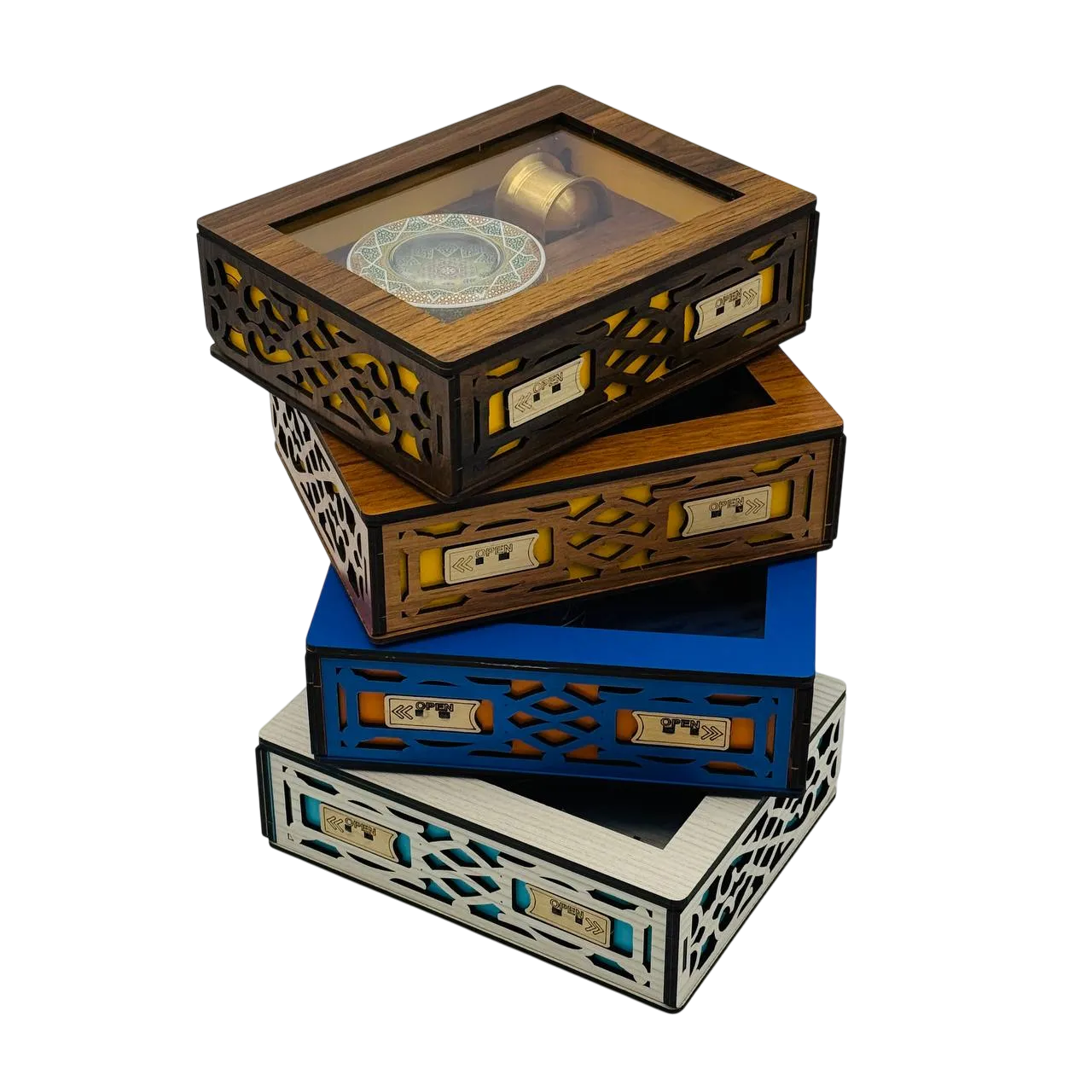
Wooden saffron boxes come in several forms, each designed to serve different packaging needs while maintaining a solid wooden structure.
Plain Wooden Boxes
These focus on simplicity and durability. They are commonly used for export, wholesale, or minimal gift presentations where structure and protection are the priority.
Wooden Boxes with Fabric or Velvet Lining
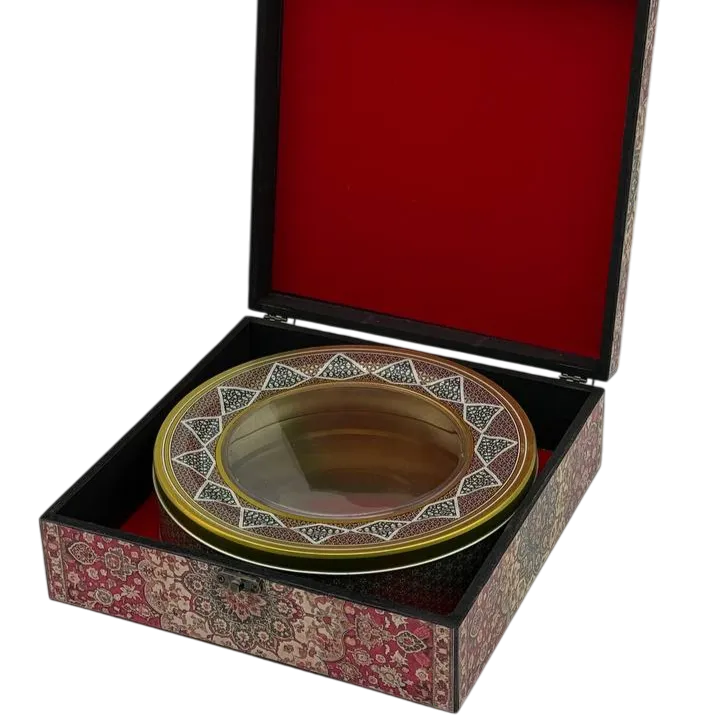
In these designs, wood provides the external body, while velvet or fabric enhances the interior presentation. The defining feature remains the wooden shell, making them distinct from velvet‑based boxes.
Decorative or Patterned Wooden Boxes
Some wooden saffron boxes include engraved surfaces, printed finishes, or traditional patterns. These are often chosen for gift sets and cultural presentations where visual detail adds value.
Each type serves a different purpose, but all share the same core advantage: a strong wooden foundation that supports safe storage and professional presentation.
Materials & Wood Quality
The quality of a wooden saffron box starts with the material itself. Different types of wood and wood‑based materials are used depending on the intended purpose, price range, and level of presentation.
Some boxes are made from natural wood, offering a warmer feel and a more authentic appearance. These are often chosen for premium gift sets or branded collections where visual texture and craftsmanship matter.
Others use engineered wood such as MDF, which provides consistency, clean edges, and reliable structural strength. MDF wooden boxes are widely used in export and wholesale packaging because they balance durability, cost efficiency, and uniform production.
Surface finishing also plays a key role. Painted, laminated, or coated finishes protect the wood from moisture and wear, while also defining the final look of the box. A well‑finished wooden saffron box doesn’t just look better — it lasts longer and performs better across storage and transport conditions.
Inner Structure & Layout Options
The interior layout of a wooden saffron box is where functionality truly shows. A solid outer body allows for precise internal designs that keep saffron products secure and organized.
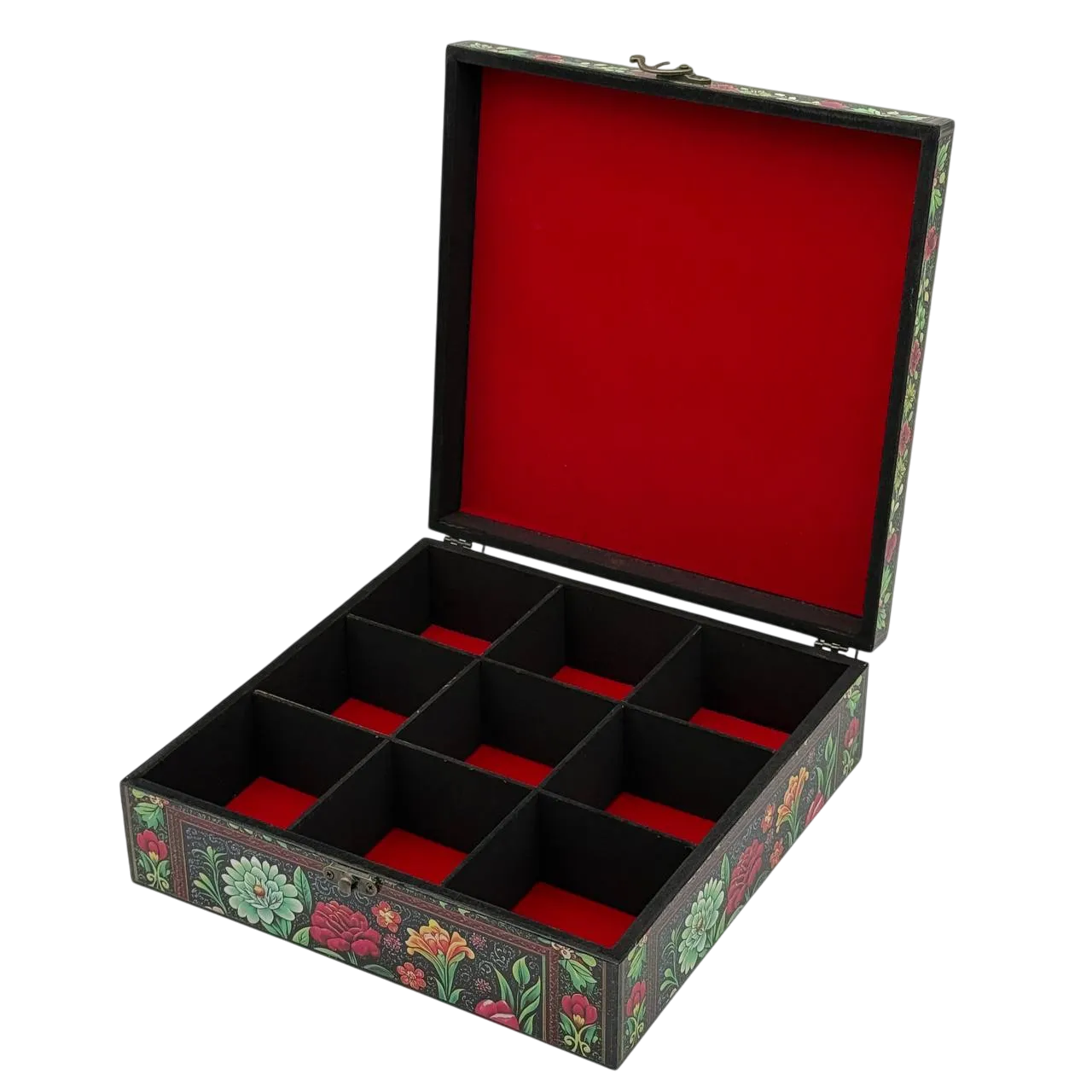
Common layouts include fixed compartments for saffron containers, removable dividers for flexible configurations, and padded or fabric‑lined inlays to prevent movement. These structures help protect delicate glass jars, metal containers, or accessories during handling and shipping.
Some wooden saffron boxes are designed to hold only saffron, while others accommodate complete sets — including spoons, mills, or decorative items. This adaptability makes wooden boxes suitable for both simple packaging needs and more complex gift presentations.
A well‑designed interior doesn’t add unnecessary decoration. Its job is simple: keep everything in place, easy to access, and visually balanced when the box is opened.
Capacity & Configuration
Wooden saffron boxes are available in a wide range of capacities, which makes them easy to adapt to different packaging goals. From single‑container boxes to full presentation sets, the structure can be adjusted without compromising stability.
Some wooden boxes are designed for one saffron container, focusing on compactness and simplicity. These are common in retail or promotional packaging where clarity and ease of use matter.
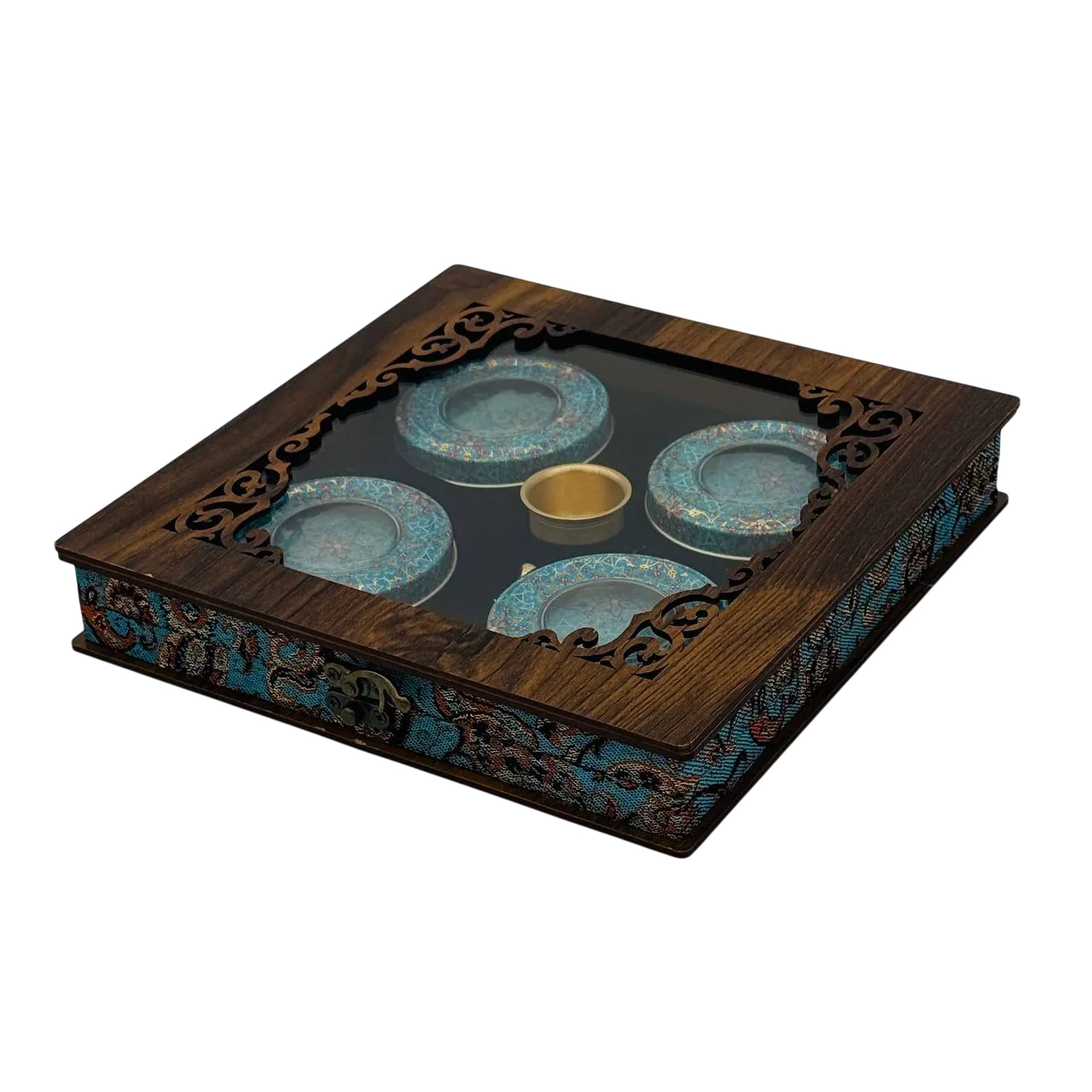
Larger configurations can hold multiple containers, accessories, or a combination of products. Divided interiors allow brands to create balanced layouts that look organized and intentional when opened. This flexibility is especially useful for gift sets and export packaging, where presentation and protection must work together.
The ability to scale capacity without changing the core structure is one of the main strengths of wooden saffron boxes.
Use Cases: Gift, Export & Storage
Wooden saffron boxes perform well across several use cases, which is why they are often chosen as a long‑term packaging solution rather than a seasonal one.
For gifting, wooden boxes offer a sense of permanence. They feel substantial and reusable, which adds value beyond the saffron itself. This makes them suitable for personal gifts as well as corporate and ceremonial presentations.
In export scenarios, durability becomes critical. The rigid construction of wooden boxes helps protect saffron during shipping, stacking, and handling, reducing the risk of damage or displacement.
For storage, wooden boxes provide a stable environment that keeps saffron containers organized and protected over time. This makes them practical not only at the point of sale, but also after purchase.
Wooden Box vs Velvet Box
The main difference between a wooden saffron box and a velvet saffron box lies in what defines the packaging.
A wooden box is built around structure and durability. The wood itself is the foundation, providing strength, protection, and long‑term usability. Even when velvet is used inside, it remains a supporting element rather than the core identity of the box.
Velvet boxes, on the other hand, are primarily designed around texture and softness. Their focus is visual luxury and tactile appeal, making them ideal for ceremonial or high‑end gift presentations.
In simple terms, wooden saffron boxes are chosen when stability, export readiness, and long‑term use matter. Velvet boxes are selected when emotional impact and surface elegance are the priority.
Wooden Box vs Termeh Box
While both wooden and termeh saffron boxes can reflect tradition, they serve different purposes in packaging strategy.
Wooden saffron boxes emphasize craftsmanship and structure. Their value comes from material strength, adaptability, and the ability to support various internal configurations. They are practical, durable, and suitable for a wide range of commercial uses.
Termeh boxes are defined by cultural identity and textile heritage. The fabric itself is the main feature, often chosen to express Iranian artistry and tradition rather than structural strength.
A wooden box is ideal when packaging needs to balance tradition with function. A termeh box is best suited for storytelling, cultural gifting, and occasions where symbolic value outweighs durability requirements.
Customization Potential
One of the strongest advantages of wooden saffron boxes is their high customization potential. The solid surface of wood allows for a wide range of branding and design options without compromising structure.
Logos can be engraved, printed, or applied using laser techniques. Color finishes, surface coatings, and interior fabrics can all be adjusted to match brand identity or market preference. Even small details, such as hinges, closures, or internal layouts, can be customized for specific product lines.
This flexibility makes wooden boxes especially attractive for brands that want their packaging to feel intentional and recognizable, whether for retail collections, export markets, or limited gift editions.
Care, Handling & Longevity
Wooden saffron boxes are designed for long‑term use, but proper handling helps preserve their appearance and performance.
Keeping the box in a dry environment protects the wood and surface finish. Gentle cleaning and careful storage prevent scratches and maintain the integrity of hinges and closures. When treated with basic care, a wooden box can remain functional and presentable for years.
This longevity adds to the perceived value of the packaging. Instead of being discarded, the box often becomes a reusable item, extending the presence of the brand well beyond the initial purchase.
Final Thoughts on Choosing a Wooden Saffron Box
A wooden saffron box is more than just a container; it’s a statement of quality and reliability.
It protects what’s valuable, presents it with purpose, and lasts far beyond a single use. Whether for gifting, export, or retail display, wooden boxes offer a balance between practicality and refined design that very few materials can match.
For businesses, this means packaging that enhances trust and strengthens brand identity. For buyers, it means receiving saffron in a form that feels cared for and durable.
When choosing between various saffron packaging styles, the wooden box stands out as the most adaptable — equally suitable for elegant presentation and professional distribution. It connects craftsmanship with commerce, tradition with technology, and Iranian authenticity with international appeal.
